What is Bitcoin in Simple Words: A Plain English Guide

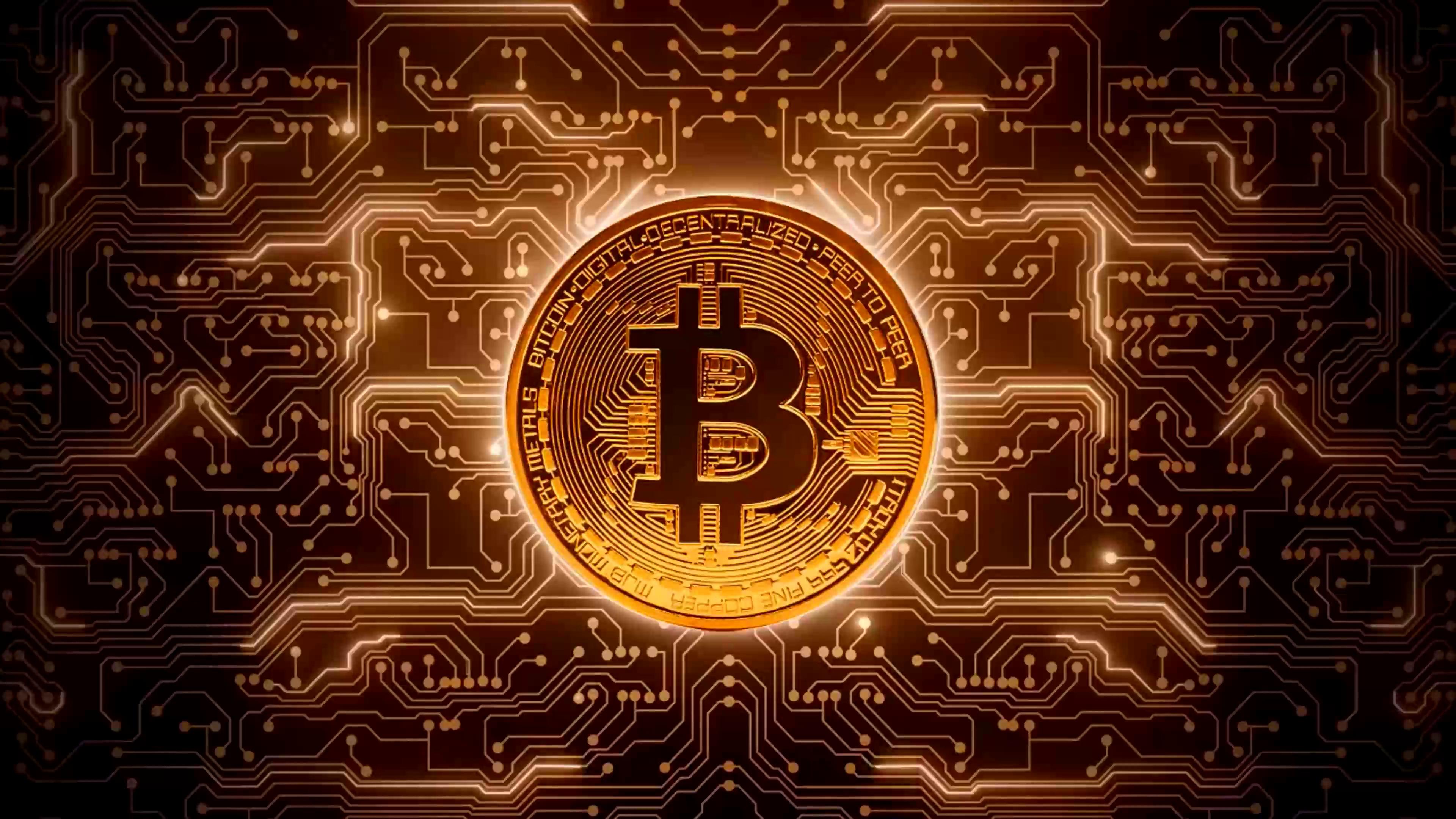
Bitcoin is digital money that you can send to anyone over the internet without using a bank. It lives entirely on computers, so you cannot hold a physical coin in your hand. Millions of people use it every day to pay for goods or save for their future.
Think of it like cash for the web. When you pay a friend with cash, no bank steps in to check the deal. Bitcoin works the exact same way online, using a shared computer network to keep track of who owns what.
How Does Digital Money Work Without a Bank?
When you buy coffee with a normal debit card, your bank checks your balance. The bank subtracts money from your account and adds it to the coffee shop account. The bank acts as the trusted middleman who keeps the ledger accurate.
Bitcoin skips the bank completely. Instead of one company holding the records, thousands of independent computers around the world keep an exact copy of the record book. This shared record book is called a ledger.
When Sarah sends 1 Bitcoin to Alex, her computer broadcasts that move to the whole network. Every computer updates its own copy of the book. Nobody can cheat or print fake coins because all the other computers would catch the error and reject it. If you want to learn more about avoiding online tricks, check out our guide on Crypto Scams and How to Stay Safe from Digital Scammers.
Who Created Bitcoin and Why?
In 2008, a person or group using the name Satoshi Nakamoto published a white paper online. They wanted to create a new financial system that did not rely on governments or big banks. The network officially launched in early 2009.
Nobody knows the true identity of Satoshi Nakamoto. They walked away from the project in 2010 and handed the code over to other developers. Today, no single boss controls the system.
To this day, the creator's identity remains one of the web's greatest mysteries. Yet the system keeps running smoothly every single minute of the day without a central office or CEO.
Where Do New Bitcoins Come From?
Governments can print new paper dollars whenever they want. This action can lower the value of your savings over time, which people call inflation. Bitcoin handles new money in a very different way.
New coins enter the world through a process called mining. High-powered computers solve hard math problems to bundle new transactions together. The first computer to solve the problem earns a reward paid in brand-new coins.
- The total limit is set in stone at 21 million coins.
- New coins enter the system at a set speed that cuts in half every four years.
- Over 19 million coins exist today, and the final coin will arrive around the year 2140.
Because there is a hard cap, no government can decide to print millions of extra coins. This fixed supply is a main reason some people view it as digital gold.
How Do You Buy and Store It?
Getting your first fraction of a coin is quite easy today. You do not need to buy an entire coin, which costs tens of thousands of dollars. You can easily buy five dollars' worth if you want.
First, you sign up with a clear online app or exchange. You link your standard bank account, transfer some local money, and place an order. The platform swaps your cash for digital coins in just a few seconds.
Next, you need to think about storage. You can leave your coins on the app, or you can move them to your own software or hardware phone app. To learn the best habits for keeping your funds clear of danger, browse our main page for crypto simple guides and safety tips.
What Are the Big Risks You Should Know?
We must talk honestly about the risks before you spend any money. Prices move up and down fast. A single coin might lose ten percent of its value in one afternoon, then gain it back next week.
Another risk is self-care. If you store coins on your own personal device and lose your secret passcodes, no customer support line can reset your account. Your funds could be lost forever. Learn more about the general idea of Cryptocurrency to see how different digital assets handle security.
Lastly, rules change quickly. Different countries build new tax laws and finance guidelines every year. Always research your local laws so you never face a surprise tax bill later on.
Why Does the Price Go Up and Down So Fast?
The price changes purely based on standard supply and demand. If thousands of people want to buy coins today and few people want to sell, the price goes up. If bad news scares buyers away, the price falls.
Stock markets have rules that pause trading if prices drop too fast. The crypto market never closes. It trades 24 hours a day, 365 days a year across every timezone on Earth.
That constant movement creates quick swings. Large buyers can move the market price with one big trade, which scares small buyers into selling their coins cheap.
What Can You Actually Buy With It?
Over the years, thousands of shops have started accepting digital money. You can buy computer parts, order hot pizza, pay for Web hosting, or buy flight tickets online.
Many people do not spend their coins on small daily goods, though. They hold onto them for years like an investment asset, hoping the fixed supply will raise the value over time. Read more on the history of Bitcoin on Wikipedia to trace how it grew from an obscure project into a global asset.
Others use it to send money across borders. Sending traditional bank transfers to another country can take three days and cost heavy fees. A digital transfer finishes in minutes, no matter where the receiver lives.
Is It Legal and Safe for Beginners?
In most countries, owning digital coins is completely legal. Governments view it as personal property, similar to stocks or gold. You just have to report your profits when you trade or sell.
Is it safe for beginners? The network system itself has run for over fifteen years without being hacked. The underlying code works just as planned.
The main danger comes from human error. People fall for fake investment sites, click bad email links, or lose their password papers. Staying safe takes personal care and patience.
How to Get Started Safely
If you want to try it out, start tiny. Never spend money you need for rent, groceries, or unexpected bills. Treat your first step like a small learning test.
Pick a well-known service app with clear rules and high security reviews. Enable two-factor sign-in codes on your account straight away to block unauthorized visitors.
Take your time to read and learn how things work before making big choices. The best investors build their knowledge long before they put real money on the line.
Will you watch from the sidelines, or try making a tiny five-dollar test trade to see how the system works for yourself?


Comments
Post a Comment