How Crypto Exchanges Work and Where Your Money Goes
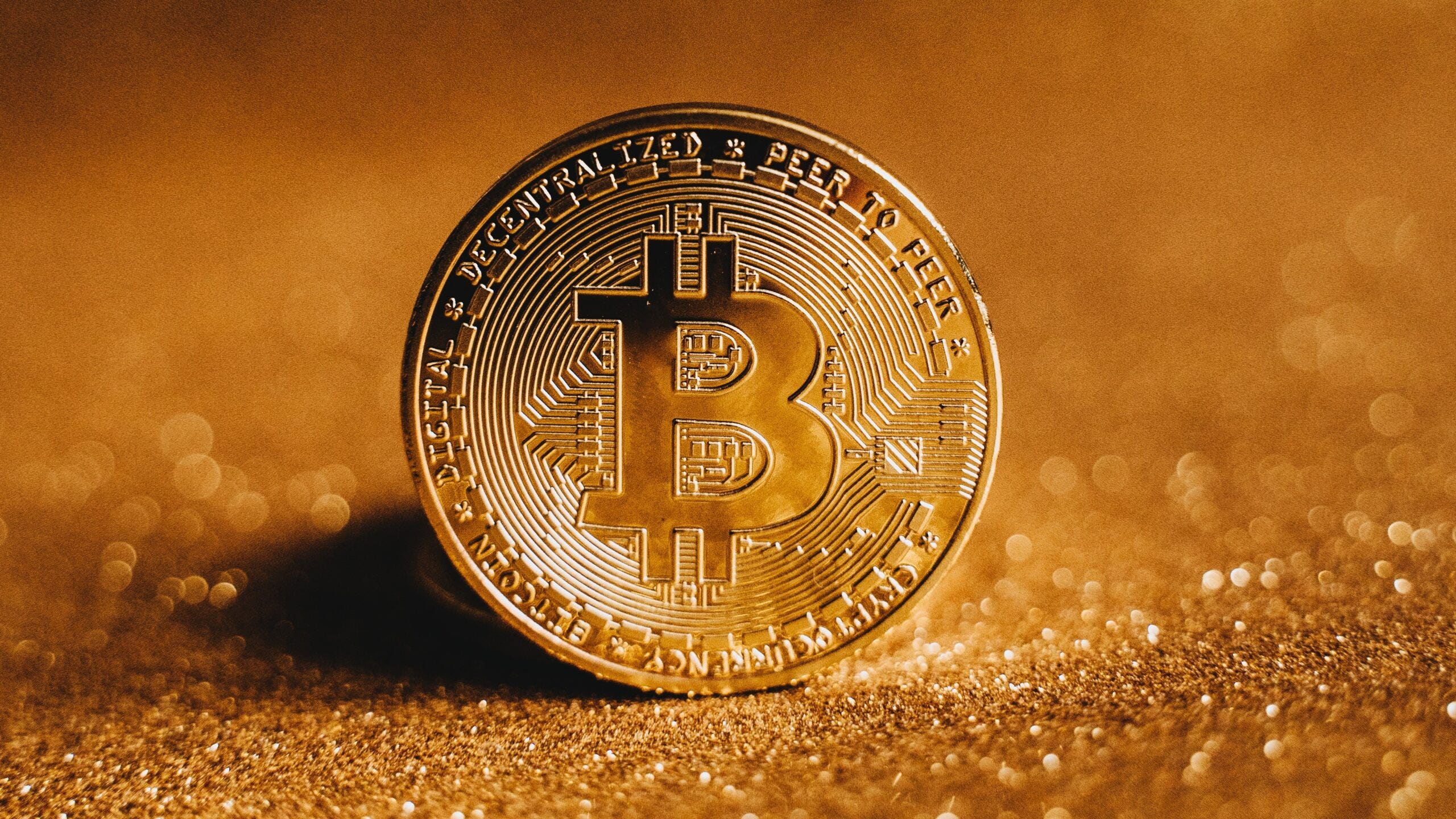
Crypto exchanges are the digital marketplaces where you trade your regular cash for digital coins. Most people start their journey here because it feels like using a banking app or a stock trading site. You send your money to the exchange, pick a coin, and press a button to buy it.
At its simplest level, a crypto exchange is a middleman that connects buyers with sellers. If you want to sell one Bitcoin for $60,000, the exchange finds someone willing to pay that price. They keep the records, hold the funds, and take a small fee for making the trade happen. It sounds easy, but there is a lot going on behind the screen that affects your safety and your wallet.
The basic way a crypto exchange handles your trade
When you use a crypto exchange, you are not usually buying directly from the blockchain itself. Instead, you are interacting with the exchange's private database. Think of it like a giant ledger in a book. When you "buy" a coin, the exchange just moves a number from their pile to your account name in their internal system. This makes trading fast and cheap because they do not have to wait for the slow blockchain network to update every single time someone swaps five dollars.
Most big platforms use something called an order book. This is just a long list of people who want to buy at a certain price and people who want to sell at a certain price. If I want to sell my Ethereum for $3,000 and you want to buy it for $3,000, the exchange sees the match and swaps our balances instantly. They act as the referee to make sure nobody cheats. If there are no buyers at your price, your order just sits there waiting, which is why prices sometimes wiggle up and down while people try to find a deal.
Some smaller or newer exchanges use a different system called an automated market maker. Instead of a list of people, there is a big "pool" of money sitting in a smart contract. You trade directly against the pool. The price changes automatically based on how much of each coin is left in that pool. This is common in decentralized finance, where there is no big company running the show. Each way has its own risks, like the price changing slightly while you are clicking the buy button.

Centralized versus decentralized exchanges
There are two main types of places to trade. Centralized exchanges are companies like Coinbase or Binance. They have offices, staff, and customer support. You have to give them your ID, like a passport or driver license, to start. This is called "Know Your Customer" or KYC. It feels very much like opening a bank account. These companies hold onto your "keys," which are the digital passwords to your coins. If you lose your login, they can help you reset it, which is a big relief for many beginners.
Decentralized exchanges are different because no single company owns them. They are just pieces of code running on a network. You do not need an ID and you do not "deposit" your money into their bank. Instead, you connect your own private wallet and trade directly from it. This gives you more control, but it is also much riskier. If you send money to the wrong address or forget your password, there is no "Forgot Password" button and no one to call for help. It is like being your own bank, which is a heavy job for someone just starting out.
Many people find that simple habits for a healthy heart that work are easier to stick to than learning the complex steps of a decentralized trade. For a first-timer, a centralized exchange is usually the entry point. It is worth remembering that a centralized exchange is a business. Their goal is profit, so they charge fees for every trade, withdrawal, and sometimes even for depositing money. You should always check the fee table before you start, as some places charge a flat fee while others take a percentage.
What happens to your money after you deposit
When you send $100 from your bank to an exchange, that money goes into the company's bank account. On your screen, you see a balance of $100. This is just a promise from the exchange that they owe you that money. They keep most of the actual crypto coins in "cold storage." This means the coins are kept on devices that are not connected to the internet. This is a safety step to stop hackers from stealing everything at once. Only a small amount is kept in "hot wallets" to handle people who want to withdraw their money right away.
This brings up a huge risk called "exchange risk." If the exchange goes out of business or gets hacked, your money might be gone. Unlike a regular bank, many crypto platforms are not insured by the government. If the company closes its doors, you are just one of many people waiting in line to get whatever is left. This is why many experts say "not your keys, not your coins." If you keep your money on an exchange, you are trusting them to keep it safe for you. For more info on the basics, you can check this page on cryptocurrency to see how these assets work outside of an exchange.
I remember a friend who kept all his savings on a small exchange because the app looked pretty. One morning, the website just wouldn't load. It took three weeks of stressful emails to find out they were just doing maintenance. That feeling of not being able to touch your own money is the trade-off for the convenience these platforms offer. Always ask yourself if you are comfortable letting a company hold your digital gold for months at a time.
How do you pick a safe crypto exchange?
Safety should be your first thought, not the fancy features. Look for an exchange that has been around for at least five years. These older companies have survived "bear markets" where prices crashed and many weak companies failed. You should also check where they are located. If an exchange is based in a country with strict financial laws, they are more likely to follow rules that protect you. If they have no clear office or address, that is a red flag you should not ignore.
Check if they have two-factor authentication. This means you need more than just a password to log in, like a code sent to your phone. This is the single best way to stop someone from stealing your account. Also, look at their "liquidity." This is a fancy word for how much money is flowing through the site. High liquidity means you can buy and sell quickly at a fair price. Low liquidity means you might get stuck with a bad price because there are not enough buyers or sellers to match your order.
Another tip is to look for "Proof of Reserves." This is a report that some exchanges publish to prove they actually have the money they say they do. It is like an audit. It shows that if every customer tried to take their money out at the same time, the exchange would have enough to pay everyone. Not every exchange does this yet, but the best ones are starting to. You can learn more about how crypto exchanges work by comparing different platforms and seeing which ones are most open about their money.
Understanding the risks and hidden costs
Trading is not just about the price of the coin. You also have to worry about the "spread." This is the difference between the buy price and the sell price. If an exchange says Bitcoin is $60,000 to buy but only $59,500 to sell, that $500 gap is a hidden cost. They might say they have "zero fees," but they make their money by giving you a slightly worse price than the actual market rate. It is like the currency exchange booths at the airport. They always give you a bad deal compared to a real bank.
Then there are withdrawal fees. Some exchanges make it very easy to put money in but very expensive to take it out. They might charge you $20 or $30 just to move your coins to your own private wallet. If you only have $100 in total, that fee eats up a huge chunk of your money. Always look at the withdrawal page before you buy anything. If the fee is too high, it might not be the right place for a small investor.
Lastly, be careful with "use" or "margin trading" options that many exchanges push. This is where they let you borrow money to buy more coins. It sounds like a way to get rich fast, but it is actually the fastest way to lose everything. If the price drops even a little bit, the exchange will take your money to pay back the loan. For a beginner, it is much safer to just buy what you can afford with your own cash. Stick to the basics until you really understand how the market moves.
Moving your coins off the exchange
Once you buy your coins, you have a choice. You can leave them on the exchange or move them to your own wallet. Leaving them on the exchange is easy. You can log in and see your balance anytime. But as we discussed, you are trusting the company. If you plan to hold your coins for a long time, many people prefer to move them to a "hardware wallet." This is a little device like a USB stick that keeps your coins offline and under your total control.
Moving your coins is a big step. You have to copy a long string of letters and numbers called an address. If you make a mistake and send it to the wrong address, the money is gone forever. There is no one to call to get it back. When I first did this, I sent a tiny amount first, like five dollars, just to make sure it worked. Only after the five dollars showed up in my wallet did I send the rest. It costs a bit more in fees to do two trades, but the peace of mind is worth every penny.
Think of an exchange like a busy city market. It is a great place to go and trade your goods, but you probably wouldn't want to sleep there with all your gold in your pockets. You go to the market, do your business, and then you take your treasures home where they are safe. Understanding this balance between the convenience of the exchange and the safety of your own home is the key to being a smart crypto user.
Are you planning to keep your coins on an exchange for the long term, or do you want to learn how to hold them yourself? The best move right now is to check the security settings on your current account and turn on every safety feature they offer.


Comments
Post a Comment